Two days in Vancouver is enough to cover the essentials: one day for the waterfront and downtown core, one for neighbourhoods, markets, and mountain views. Stay central, buy a transit pass, and skip the rental car. The SkyTrain, SeaBus, buses, and False Creek ferries reach nearly every stop in this itinerary, and walking fills the gaps.
The plan below sorts eight picks by area, so you spend your time exploring instead of crossing the city. Day one starts with the seawall and Stanley Park’s old-growth cedars, then moves through Gastown’s cobblestones and into Chinatown. Day two heads to Granville Island’s market, Kitsilano’s beaches, and a mountain lookout that shows why locals never get tired of this skyline.
Vancouver rewards curiosity about its people as much as its scenery. Coast Salish heritage, Chinese, South Asian, Japanese, and Filipino communities, and a food scene shaped by all of them show up on almost every block. If your dates line up with one of the major Vancouver festivals build the trip around it. Food lovers can also check out the gastronomic festivals for a tastier way to see the city.
Travel light on the planet too. Walk, bike, and ride transit, and Vancouver feels even better.
Why Spend Two Days in Vancouver: A Quick Overview
Vancouver is made for short stays. The mountains, the ocean, and a lively downtown all sit within easy reach of each other, so you can hike a forested trail in the morning and be sipping coffee on a historic street by lunch. Much of the core is walkable, and the SkyTrain, buses, and little harbour ferries fill in the gaps without a car.
What really gives the city its flavour is its people. Vancouver sits on the traditional territories of the Musqueam, Squamish, and Tsleil-Waututh Nations, and that Indigenous heritage shows up in public art, place names, and cultural spaces. Layered on top are vibrant Chinese, South Asian, Japanese, and Greek communities, each shaping neighbourhoods, markets, and menus you can taste in a single afternoon.
Festivals and cultural celebrations add another spark throughout the year, from street parties to waterfront gatherings. A well-timed event can turn a good trip into a memorable one, so it’s worth checking the official calendar before you go.
We chose the picks in this plan with four things in mind: variety, so no two stops feel alike; walkability, so you spend less time in transit; cultural value, so you meet the city’s many communities; and sustainability, favouring low-impact ways to explore like walking, biking, and public transit.
Day One: Downtown, Gastown, and the Waterfront
1. Stanley Park and the Seawall
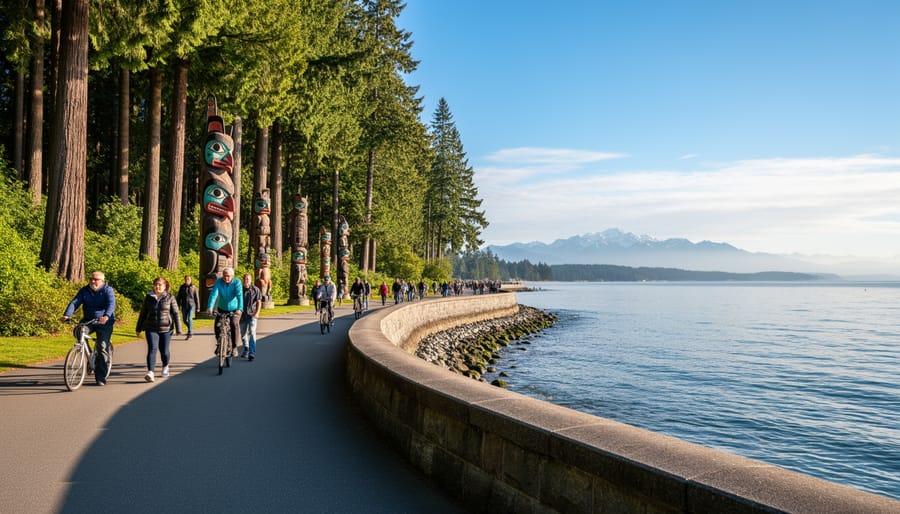
Start your first morning where Vancouver feels most alive: Stanley Park. This 400-hectare green giant wraps around the edge of downtown, and the Seawall is the best way to take it all in. Rent a bike near the park entrance or simply lace up your walking shoes, then follow the water. Along the way you’ll catch glimpses of the North Shore mountains, sailboats drifting past, and the Lions Gate Bridge stretching across the inlet.
Good to know before you roll: the Seawall runs one way, so follow the arrows, and the route is a separate walking path and cycling lane in most stretches where pedestrians and cyclists share the waterfront with a little patience and courtesy.
When you want a break from the shoreline, duck into the forest trails. Towering cedars and Douglas firs make the city noise melt away.
Don’t miss the totem poles at Brockton Point. They honour the Indigenous peoples of this land, the Squamish, Musqueam, and Tsleil-Waututh Nations, whose connection to this place stretches back thousands of years. Take a moment to read the plaques and appreciate the artistry.
To keep your visit low-impact, stay on marked paths, carry a reusable water bottle, and pack out what you bring in.
2. Coal Harbour and Canada Place
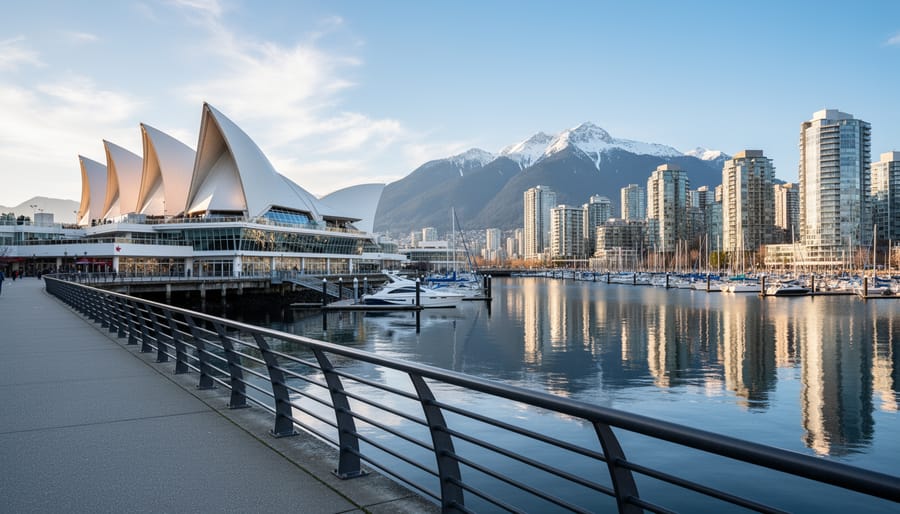
From Stanley Park, it’s an easy, scenic walk along the waterfront into Coal Harbour, one of the prettiest stretches of the city. The path hugs the water, so you get wide-open views of the North Shore mountains on one side and sleek towers on the other. Keep an eye on the sky and the harbour, because floatplanes lift off and touch down here all day, adding a little buzz to the scene.
Keep strolling toward Canada Place, where the white, sail-shaped rooftop stands out against the mountains and has become a Vancouver icon. Walk out along the pier for some of the best photo spots in town, and take a moment to watch cruise ships glide in and out of the harbour.
This waterfront is also a gathering place. Canada Place often hosts celebrations, cultural gatherings, and community events, so it’s worth a quick look at official event listings before you go. Wear comfy shoes and linger. It’s a gloriously low-impact way to soak up the city.
3. Gastown
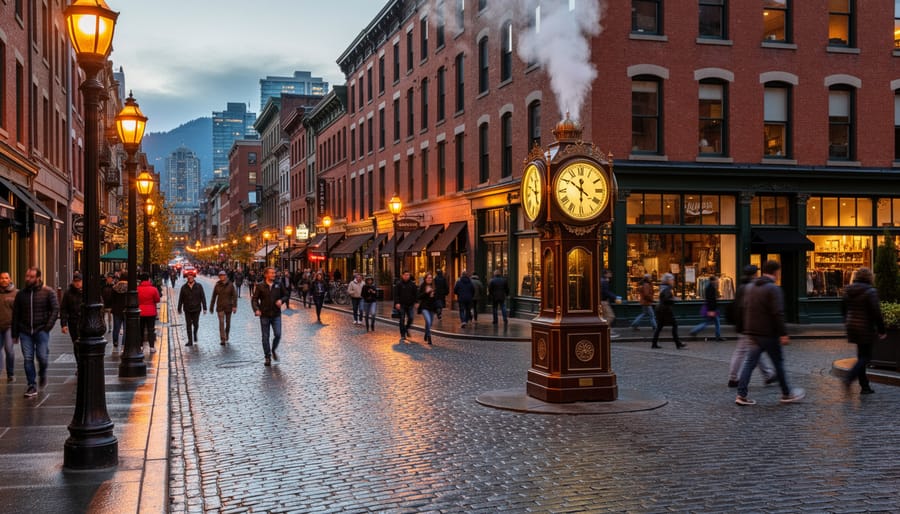
Gastown is where Vancouver’s story begins. Named after “Gassy Jack” Deighton, the talkative steamboat captain who opened a saloon here in 1867, this compact district grew into the city’s original heart. Today its cobblestone streets and restored brick warehouses make for one of the most atmospheric walks in town.
Head to the corner of Water and Cambie and wait for the famous Steam Clock to puff and whistle on the quarter hour. It looks centuries old, but it’s a 1977 creation powered by underground steam, and it’s a favourite photo stop for visitors from around the world.
From there, wander the side streets at an easy pace. Independent boutiques sell everything from local design and Indigenous-made art to vintage finds and handmade leather goods, so it’s a great place to shop with purpose and keep your dollars in the community.
When hunger strikes, you’re spoiled for choice. Tuck into a candlelit restaurant for West Coast seafood, grab a pour-over at a neighbourhood café, or sip a craft cocktail in a brick-walled bar. Keep your camera handy: Gastown glows at dusk, and the wrought-iron lamps and old brick facades make for a memorable end to your downtown day.
4. Granville Island Public Market
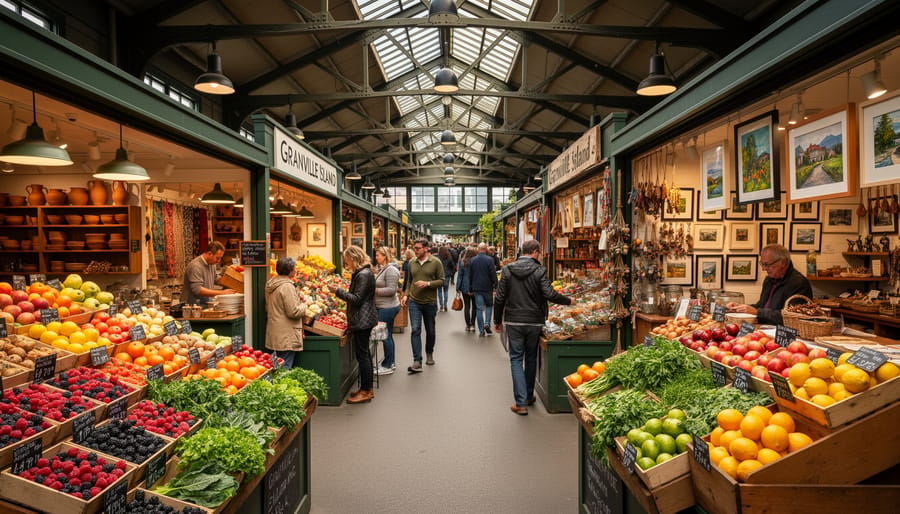
By late afternoon, Granville Island hums with the best kind of energy. Aim to arrive around 4 or 5 p.m., when the day-trippers thin out and the market still has plenty going on.
Getting there is half the fun. Skip the bus and hop on a False Creek Aquabus or ferry from the downtown waterfront. The tiny boats zip across the water in minutes, and you’ll get skyline views you can’t catch from the street.
Inside the Public Market, follow your nose. Stalls stack up with local produce, smoked salmon, fresh bread, cheeses, and sweet pastries. Graze your way through instead of sitting down for one big meal, and you’ll taste far more of what the region grows and makes.
Outside, wander the lanes to find studios and shops run by potters, glassblowers, jewellers, and printmakers. Buskers add a soundtrack along the waterfront, so toss a few coins in the hat if a performance makes you smile.
To support local vendors, buy directly from makers, pick up a handmade souvenir, and bring your own tote and reusable cup. It’s an easy, low-waste way to enjoy a very Vancouver evening.
Day Two: Culture, Neighbourhoods, and Nature
5. Chinatown and Dr. Sun Yat-Sen Classical Chinese Garden
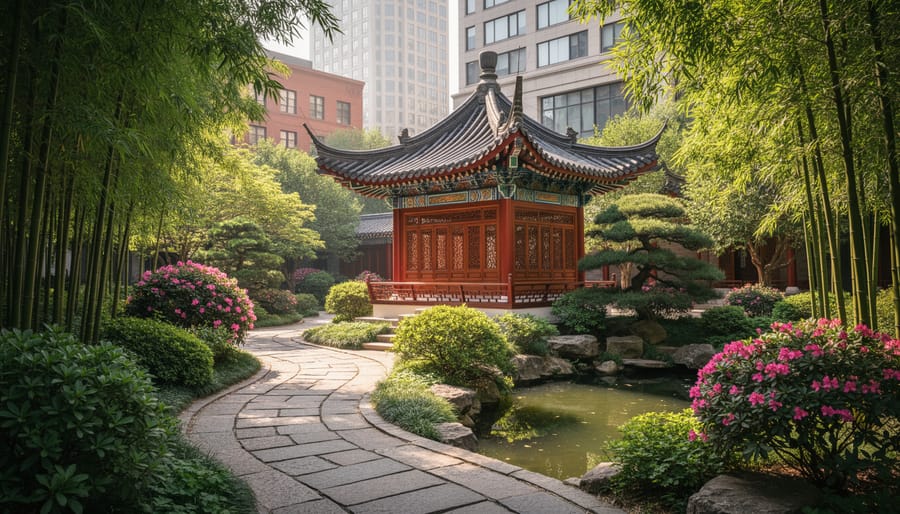
Start Day Two in Chinatown, one of North America’s oldest, where morning light and quiet streets make for an easy, rewarding wander. This is a living neighbourhood with deep roots, shaped by generations of Chinese Canadian families who built businesses, associations, and community life here despite decades of discrimination. Take a moment to appreciate that history as you explore.
Your anchor is the Dr. Sun Yat-Sen Classical Chinese Garden, a walled retreat of pavilions, koi ponds, and winding covered walkways. It follows Ming Dynasty principles, where stone, water, plants, and architecture are balanced to create harmony. Visit early, before the tour groups arrive, and the garden feels almost hushed. Guided tours explain the symbolism behind each detail, and they’re well worth joining if you have the time.
Afterward, drift down Keefer Street and Pender Street. Herbal shops, calligraphy supplies, and old-school grocers sit alongside newer cafés and galleries. Duck into a traditional bakery for a warm egg tart or a pineapple bun, the kind of simple, satisfying breakfast that locals have loved for years.
Shopping at family-run stores keeps this heritage neighbourhood thriving, and it’s a lovely way to travel with care.
6. Main Street and Commercial Drive
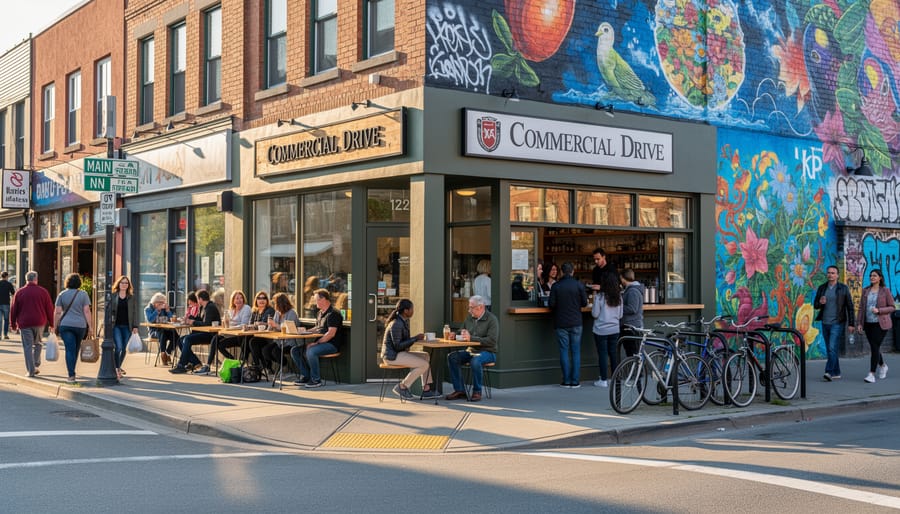
Start your second afternoon on Main Street, where the city’s creative side spills onto the sidewalks. Wander the stretch around Main and Broadway, then drift south to find independent boutiques, vintage shops, and cafés where baristas know the regulars. Keep your eyes up, because colourful murals climb the sides of buildings, and the street art changes often enough that every visit feels a little different.
From there, hop on a bus or take a short ride over to Commercial Drive, affectionately known as “The Drive.” This is Vancouver’s multicultural heart on a plate. Italian espresso bars sit near Latin American bakeries, Ethiopian restaurants, and Asian eateries, so you can build an entire world tour out of one walkable strip. Grab a pastry, a coffee, or a sit-down meal and watch the neighbourhood go by.
Both areas have a strong community spirit, and local festivals and street celebrations often bring music, food stalls, and neighbours together here. Check the official events calendar before you go, since a well-timed street party can turn an easy wander into a highlight of your trip. Pick up something handmade from a local shop and you’ll support the makers who give these streets their personality.
7. Capilano Suspension Bridge or Lynn Canyon Park
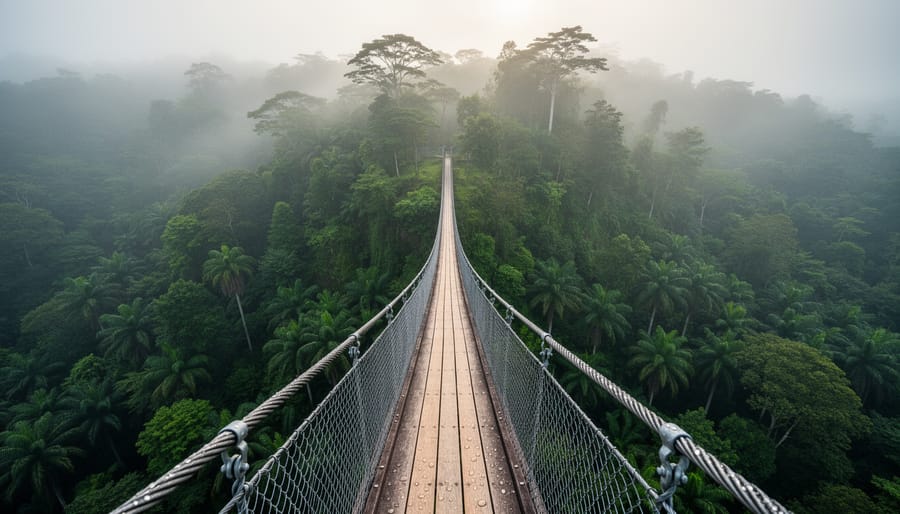
After a morning of Main Street and Commercial Drive, trade the city buzz for towering cedars. North Vancouver offers two classic ways to do it, and the right pick depends on your budget and appetite for crowds.
Capilano Suspension Bridge Park is the headliner. You walk a swaying 137-metre bridge about 70 metres above the river, then explore the Treetops Adventure and the Cliffwalk. It’s polished, photogenic and well run, with Indigenous carvings and storytelling woven through the grounds. Expect an admission fee and busy afternoons, so arriving earlier or later in the day helps.
Lynn Canyon Park is the free alternative, and plenty of locals prefer it. Its suspension bridge is smaller but still thrilling, and the trails lead to swimming holes, waterfalls and quiet forest. Wear shoes with real grip, since the paths get slippery.
Both are easy to reach by transit. Take the SeaBus or a bus to North Vancouver, and check TransLink for current routes. Capilano also runs a free shuttle from downtown in busy seasons.
To travel lightly, bring a refillable bottle, pack out your trash and stay on marked trails to protect the forest floor.
8. Sunset at English Bay or Kitsilano Beach
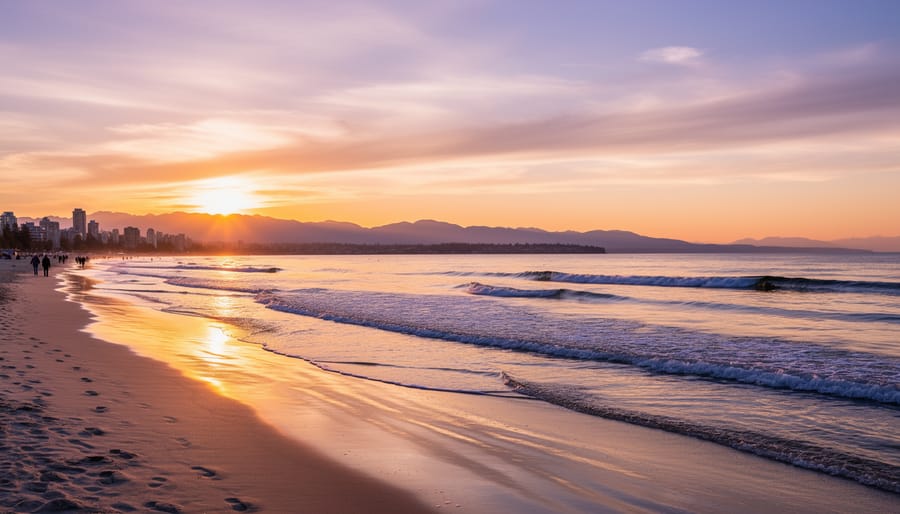
As the day winds down, head west to English Bay or Kitsilano Beach for the kind of sunset Vancouver does best. Both beaches face open water, so the sky puts on a show of orange, pink, and gold while freighters sit on the horizon and the North Shore mountains fade to silhouette.
English Bay is the lively choice. It’s an easy stroll from the West End, and the sandy shoreline fills with locals tossing frisbees, playing guitar, and settling in with takeout. Kitsilano Beach feels a little more laid-back, with grassy slopes, volleyball courts, and the outdoor Kitsilano Pool nearby for a summer-evening swim. Pick whichever vibe suits your mood.
Bring a blanket and a reusable bottle, and pack out whatever you carry in. The beaches stay beautiful because everyone pitches in.
Vancouver also loves a good outdoor gathering. English Bay has long been the backdrop for summer fireworks and community celebrations, so it’s worth checking the official events calendar before your trip. If a show lines up with your stay, you’ll cap your two days with something truly memorable.
Practical Information: Getting Around, Timing, and Costs
Getting to and around Vancouver is refreshingly easy, which is exactly what you want when you only have 48 hours. From the airport, the Canada Line SkyTrain runs straight from YVR into downtown in about 25 minutes, so you can skip the rental car entirely. Tap in and out with a contactless credit card or a Compass Card, and you’re set across the whole transit network.
The core of this itinerary is very walkable, and the Stanley Park seawall is made for feet and wheels. Weather matters more than you might expect. Summer is dry and bright, while the rest of the year leans damp, so pack a light rain layer and comfortable shoes whatever the season. Spring and early autumn often deliver mild days with thinner crowds.
Here’s a quick look at your main options:
| Option | Best for | Key consideration |
|---|---|---|
| SkyTrain | Airport transfers and longer hops across the city | Fast and frequent, but stations are spaced out, so pair it with walking |
| Bus | Reaching Main Street, Commercial Drive and the North Shore | Routes can be slower in traffic, so allow extra time |
| SeaBus | Scenic harbour crossings to North Vancouver | Great views, but plan around its schedule |
| Aquabus ferry | Short, fun hops around False Creek and Granville Island | Fares are separate from standard transit |
| Bike share | Seawall rides and relaxed waterfront exploring | Hills outside the waterfront can be tiring |
| Walking | Gastown, Coal Harbour and the downtown core | Easy and free, but comfortable shoes make all the difference |
On costs, Vancouver sits on the pricier side for dining and lodging, but you can balance things out with free highlights like the seawall, Lynn Canyon and the beaches. Transit day passes keep getting around affordable, and market snacks make for tasty, budget-friendly meals.
One last reminder: festival and event dates change from year to year, so check the official event calendars before you lock in your plans rather than assuming a schedule.
Local Tips for Making the Most of Your 48 Hours
Before you lock in your 48 hours, take a minute to scan Vancouver’s festival and events listings. A well-timed street party, cultural celebration, or waterfront show can turn a good short stay into a memorable one. For more planning ideas, browse these first-time Vancouver tips.
Two Days in Vancouver: Your Questions Answered
Is two days enough to see Vancouver?
Two days is enough to taste the highlights: downtown, Gastown, the waterfront, a couple of multicultural neighbourhoods, and one nature escape. You won’t see everything, but you’ll leave with a real feel for the city.
Do I need a car?
No. The SkyTrain, buses, SeaBus, and False Creek ferries cover most of this itinerary, and the core areas are very walkable. Skipping the car also keeps your trip lower-impact, which suits Vancouver’s green spirit.
What’s the best time of year to visit?
Summer brings long, bright days and outdoor events, while spring and early fall offer milder crowds and pleasant walking weather. Winter is rainier but cozy, and the nearby mountains add their own charm. If you plan to travel with a pet mild-weather months make seawall strolls especially easy.
Can I do this itinerary on a budget?
Absolutely. Walking the seawall, wandering Gastown and Chinatown, grazing at Granville Island Public Market, visiting Lynn Canyon Park, and catching the sunset at English Bay cost little or nothing.
Festivals can add a memorable layer to a short stay, but dates change from year to year. Check Vancouver’s official event calendars before you book, then fit any celebration you like into the evenings of your two-day plan.
Two days in Vancouver can feel surprisingly full. You start with Stanley Park’s seawall, Coal Harbour views, Gastown’s cobblestones, and Granville Island’s market stalls. Then you slip into Chinatown’s quiet garden, wander the colourful stretches of Main Street and Commercial Drive, breathe in the forest at Capilano or Lynn Canyon, and end the night watching the sun melt into English Bay.
What ties it all together is the city’s people. Indigenous heritage, Chinese, South Asian, Japanese, and Greek communities all shape the food, the streets, and the celebrations. Before you book, check the official events calendar, because a festival or fireworks night can turn a good trip into a great one. For more inspiration, browse these Vancouver things to do. Travel gently, support local makers, and take transit when you can.