Vancouver transforms first-time visitors into lifelong admirers through a rare combination of snowcapped peaks meeting ocean shores, a thriving multicultural food scene, and year-round festivals that celebrate communities from across the globe. This comprehensive travel guide delivers 25 essential tips to help you plan, navigate, and experience Canada’s Pacific gateway like a local, whether you’re timing your visit around major cultural events or simply seeking the perfect balance of urban exploration and outdoor adventure.
The city rewards travelers who embrace its unique character. Unlike sprawling metropolitan areas that demand weeks of exploration, Vancouver concentrates its best experiences within walkable neighborhoods and efficient transit routes, letting you sample world-class dim sum in Chinatown, stand beneath centuries-old cedars in Stanley Park, and catch sunset from a craft brewery, all in a single afternoon.
What sets Vancouver apart is its commitment to sustainable tourism and genuine cultural celebration. The city doesn’t just host festivals, it lives them. From Indigenous art installations integrated into public spaces to neighborhood night markets that showcase authentic diaspora cuisines, you’ll discover a destination where multiculturalism isn’t a buzzword but the foundation of daily life. This guide prioritizes both the practical logistics that prevent travel headaches and the insider knowledge that transforms a good trip into an unforgettable one.
How We Selected These Vancouver Travel Tips
We curated these 25 tips by filtering hundreds of visitor experiences through five key lenses: practical logistics that prevent common first-time mistakes, cultural authenticity verified by local communities, Vancouver’s distinctive festival calendar that sets it apart as a destination, sustainable tourism practices that protect what makes the city special, and real feedback from both international travelers and Vancouver residents. Each tip serves a dual purpose, solving a concrete travel challenge while deepening your connection to Vancouver’s multicultural fabric and event culture.
Unlike generic travel advice that applies anywhere, we prioritized guidance specific to Vancouver’s identity as a festival city where nature meets urban culture. You’ll find tips that assume you want more than tourist-trap checkboxes, that you’re seeking authentic experiences, meaningful cultural exchanges, and ways to explore responsibly. Whether you’re planning around a major festival or discovering spontaneous neighborhood celebrations, these insights prepare you to engage with Vancouver as locals do while respecting the communities and environments that make the city extraordinary.
Before You Arrive: Planning Your Vancouver Trip
1. Time Your Visit Around Major Festivals and Events
Vancouver’s festival calendar runs year-round, but certain seasons offer concentrated cultural experiences. Summer brings the most festivals, with outdoor celebrations dominating June through September when weather cooperates. The spring shoulder season (April-May) features film festivals and cultural events with smaller crowds and better accommodation rates. Winter months offer holiday markets and indoor cultural celebrations, though some outdoor festivals pause until warmer weather returns.
Plan your trip around the type of cultural experience you want rather than chasing specific dates. Music lovers find summer packed with concerts and outdoor performances, while food enthusiasts discover culinary festivals throughout the year. Film and arts festivals cluster in spring and fall, creating ideal conditions for cultural immersion without summer’s peak tourist numbers.
Check festival websites months ahead since popular events sell out quickly, especially accommodation near festival venues. Building flexibility into your travel dates lets you catch multiple celebrations during a single visit, particularly during summer’s festival-dense weeks.
2. Understand Canadian Entry Requirements Early
Check your passport validity at least six months before your Vancouver trip, Canada requires it to be valid throughout your stay. Citizens of most Western countries need an Electronic Travel Authorization (eTA) for air travel to Canada, which costs CAD $7 and processes within minutes online. Visitors from countries requiring a visa should apply two to three months ahead, as processing times vary. Keep digital and printed copies of all entry documents, and verify current requirements at since regulations occasionally change without warning.
3. Book Accommodations in Strategic Neighborhoods
Vancouver’s accommodation strategy should center on festival accessibility and cultural immersion. Downtown puts you within walking distance of major event venues like Vancouver Convention Centre and Queen Elizabeth Theatre, though prices run higher during peak season. Gastown and Yaletown offer boutique hotels near diverse dining and nightlife, with easy SkyTrain access to festival districts. For budget-conscious travelers seeking authentic multicultural experiences, Commercial Drive and Main Street neighborhoods provide affordable guesthouses steps from year-round cultural celebrations and community events. Granville Island’s waterfront hotels position you at the heart of public markets and performance spaces. Book accommodations near transit hubs rather than specific venues, Vancouver’s compact layout and efficient public transit mean you’re never more than 20 minutes from any major festival site.
4. Budget for Vancouver’s Cost of Living
Vancouver ranks among North America’s priciest cities, so budget accordingly. Expect to pay $150-300+ CAD per night for mid-range hotels downtown, with hostels starting around $40-60. Dining runs $15-25 for casual meals, $40-80+ at nicer restaurants. Many festivals are free, but budget $20-40 for paid cultural events. A TransLink DayPass for riders costs around $11, making public transit affordable for daily exploration. Groceries and coffee shops cost 20-30% more than US averages, so plan $75-150 daily per person depending on your comfort level and dining choices.
5. Pack for Vancouver’s Unpredictable Weather
Vancouver’s weather shifts several times in a single day, making layering your most valuable packing strategy. Bring a waterproof jacket with a hood, rain arrives without warning in any season, and locals never leave home without one. Pack moisture-wicking base layers, a warm mid-layer like fleece, and versatile pieces you can add or remove as temperatures fluctuate between morning fog and afternoon sun.
Waterproof shoes are non-negotiable. Even summer brings occasional downpours, and you’ll explore the city more comfortably with dry feet. Skip the umbrella for windy coastal conditions; opt instead for breathable rain gear that keeps you dry without overheating. A small backpack protects electronics and layers you shed as the day warms.
Getting Around Vancouver Like a Local
6. Master the TransLink Public Transit System
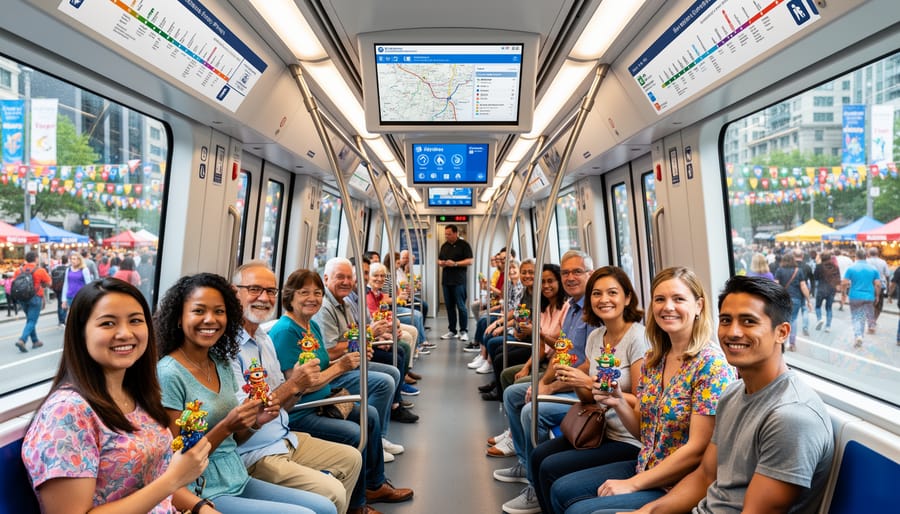
TransLink’s integrated system makes festival-hopping surprisingly easy once you grasp the basics. Buy a Compass Card at any SkyTrail station or 7-Eleven, it works across all three modes and costs less than single tickets. The three SkyTrain lines connect downtown to Richmond Night Market, Commercial Drive festivals, and Surrey cultural events without transfers. Buses fill the gaps between stations, especially to Granville Island and UBC, while the SeaBus crosses Burrard Inlet to North Vancouver’s Shipyards District in twelve scenic minutes.
Download the TransLink app for real-time arrivals and trip planning between festival venues. Zones matter for pricing during peak hours (weekdays before 6:30pm), but after that and all weekend, you pay the cheaper one-zone fare regardless of distance, perfect timing for evening festivals. A day pass makes sense if you’re hitting multiple neighborhoods for events. The system runs until roughly 1am, with Night Bus routes covering popular festival districts after the trains stop.
7. Choose Sustainable Transportation Options
Vancouver ranks among North America’s greenest cities, and locals take sustainable transportation seriously. Embrace bike-sharing through Mobi by Shaw Go, Vancouver’s public system with 2,500 bikes and stations across downtown, Commercial Drive, and Kitsilano. A day pass costs around $12 in 2026, perfect for festival-hopping between Granville Island and False Creek.
The city’s flat downtown core and extensive seawall make walking genuinely practical. You’ll cover Gastown to Yaletown in 20 minutes on foot, discovering street art and pop-up events along the way. For longer distances, TransLink’s SkyTrain runs on hydroelectric power, making it carbon-neutral transit that connects you to festivals in Surrey, Richmond, and Burnaby without guilt.
Skip taxis for short trips and use bike lanes marked with green paint throughout the city. Most festivals provide bike parking, and you’ll arrive faster than driving during peak hours.
8. Download Essential Transit and Navigation Apps
Download the TransLink Go app before your first transit ride for real-time SkyTrain and bus arrivals, trip planning, and mobile fare payments. Google Maps works reliably for multi-modal routing throughout Vancouver, including SeaBus connections and walking estimates between festival venues. For cultural events and local recommendations, Tourism Vancouver’s official app and EventBrite help you discover what’s happening during your visit, from free community gatherings to ticketed performances across neighborhoods. These tools keep you nimble when festival schedules shift or weather changes your plans.
9. Know When to Skip the Rental Car
Downtown Vancouver’s limited parking, high hourly rates ($6-12), and congestion pricing make rental cars more hassle than help for most visitors. Public transit reaches all major festivals, neighborhoods, and attractions faster than driving, especially during peak hours. Skip the car if you’re staying downtown or near a SkyTrain line, you’ll save money and stress. Rent only for day trips beyond metro Vancouver, like Whistler or the Gulf Islands, where transit doesn’t reach.
10. Explore Neighborhoods on Foot for Hidden Gems
Vancouver’s most authentic experiences hide in the spaces between tourist stops. Gastown’s cobblestone alleys reveal independent galleries and specialty coffee roasters that locals frequent. The Mount Pleasant neighborhood along Main Street between Broadway and 16th Avenue offers vintage shops, craft breweries, and murals that showcase Vancouver’s creative spirit without the downtown crowds. Commercial Drive, known locally as “The Drive”, pulses with Italian cafés, Latin American restaurants, and community bookstores where you’ll overhear conversations in a dozen languages. Walk Kitsilano’s 4th Avenue for sustainable fashion boutiques and organic markets popular with residents. These walkable districts between festival venues let you stumble upon the everyday Vancouver that guidebooks miss.
Experiencing Vancouver’s Multicultural Festival Scene
11. Dive Into Diverse Cultural Celebrations Year-Round
Vancouver’s multicultural identity means you’ll encounter authentic cultural celebrations nearly every week of the year, not just during designated heritage months. The city’s Chinese, South Asian, Filipino, Iranian, Japanese, Korean, and dozens of other communities host traditional festivals that welcome visitors to experience genuine cultural expressions, from Lunar New Year parades in Chinatown to Vaisakhi celebrations in Punjabi Market and Persian Nowruz gatherings. Unlike tourist-oriented events, these community-driven festivals offer insider access to traditional food, music, dance, and customs as practiced by Vancouverites themselves. Check neighborhood community centers and cultural association websites for smaller-scale celebrations happening during your visit. These grassroots events often provide more intimate, educational experiences than the city’s massive summer festivals, and they’re frequently free or donation-based, making them accessible ways to deepen your understanding of Vancouver’s true cultural fabric.
12. Experience Indigenous Culture Respectfully
Vancouver sits on the unceded territories of the Musqueam, Squamish, and Tsleil-Waututh Nations, whose living cultures shape the city’s identity. Visit the Bill Reid Gallery in downtown Vancouver to see stunning Haida art, or explore the Museum of Anthropology at UBC for its world-renowned Northwest Coast First Nations collections. When attending Indigenous cultural events or visiting sites, listen more than you speak, ask permission before photographing ceremonies, and purchase directly from Indigenous artists at venues like the Granville Island Public Market. Recognize that you’re engaging with living traditions, not historical artifacts, the protocols you follow demonstrate respect for peoples who’ve stewarded these lands for millennia and continue vibrant cultural practices today.
13. Explore Ethnic Neighborhoods for Authentic Experiences
Vancouver’s ethnic neighborhoods offer immersive cultural experiences that feel like daily festivals. Chinatown, North America’s second-oldest, buzzes with herbal shops, dim sum restaurants, and the vibrant Dr. Sun Yat-Sen Classical Chinese Garden. The Punjabi Market along Main Street serves authentic Indian sweets, colorful fabrics, and family-run restaurants where you’ll hear Punjabi more than English. Commercial Drive’s Little Italy features independent cafes, gelaterias, and boutiques reflecting the neighborhood’s Italian heritage mixed with Latin American and LGBTQ+ influences. Granville Island’s Public Market and nearby False Creek South showcase artisan foods and multicultural vendors year-round. Exploring these districts on foot lets you taste, shop, and interact with communities celebrating their heritage daily, no special event required.
14. Check Free Festival and Event Listings
Vancouver’s free event scene thrives on multiple digital platforms that locals and visitors alike rely on. Start with the City of Vancouver’s official events calendar, which lists community festivals, cultural celebrations, and public gatherings with regularly updated details. Tourism Vancouver’s website features curated festival guides that highlight free admission events across neighborhoods. For real-time discoveries, follow Vancouver Is Awesome and Daily Hive Vancouver, both post daily event roundups covering pop-up markets, outdoor concerts, and cultural celebrations happening that same day or weekend. Check individual neighborhood business association websites like Gastown or Commercial Drive for hyperlocal street festivals. Social media remains essential: Instagram hashtags like #VanEvents and #VancouverFestivals reveal grassroots celebrations and spontaneous cultural gatherings that never make official listings, giving you access to authentic community experiences throughout your visit.
15. Support Local Artists and Performers
Vancouver’s thriving arts scene extends far beyond major festival headliners. Support the creative community by attending performances at the Cultch, PAL Studio Theatre, or intimate venues in Strathcona and Commercial Drive where emerging artists showcase work. Browse artist-run markets like Eastside Flea and Make It Markets for original artwork, handmade goods, and direct artist connections. Check community bulletin boards, Instagram hashtags like #VancouverArt, and venues’ websites for current shows. Many galleries host free opening receptions with artist talks. Purchase directly from creators at these events, your spending supports Vancouver’s cultural ecosystem while giving you authentic souvenirs that carry genuine local stories rather than mass-produced merchandise.
16. Arrive Early for Popular Festival Events
Vancouver’s most popular festivals draw enthusiastic crowds, and arriving 30-45 minutes before scheduled performances or ceremonies makes the difference between watching comfortably and straining to see over rows of heads. For major events like fireworks competitions or headline musical performances, claim your spot even earlier, locals often arrive an hour ahead with blankets and portable chairs. Scout positioning near the edges rather than dead center; you’ll gain easier exit routes while maintaining decent sightlines. Check festival websites beforehand for designated viewing areas, accessibility sections, and any restrictions on bringing food or seating equipment, as rules vary between events and venues.
Dining and Local Food Culture
17. Sample Vancouver’s World-Class Food Truck Scene
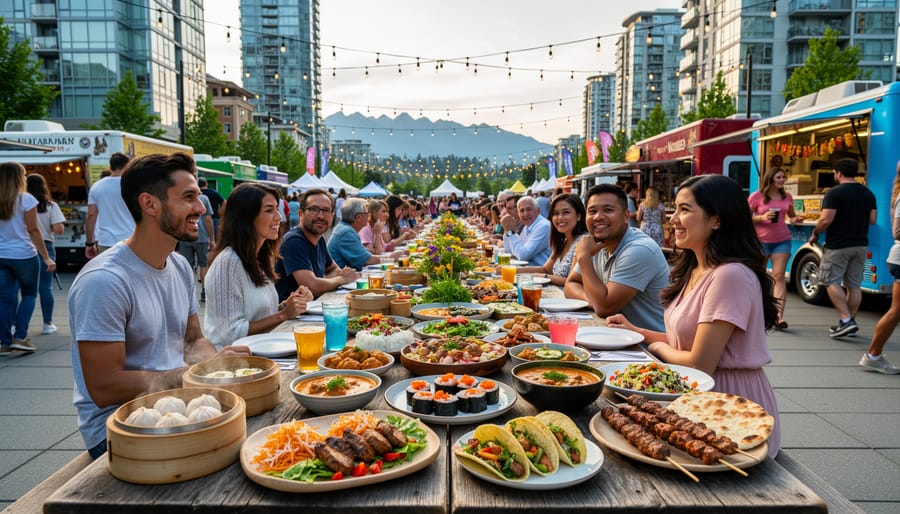
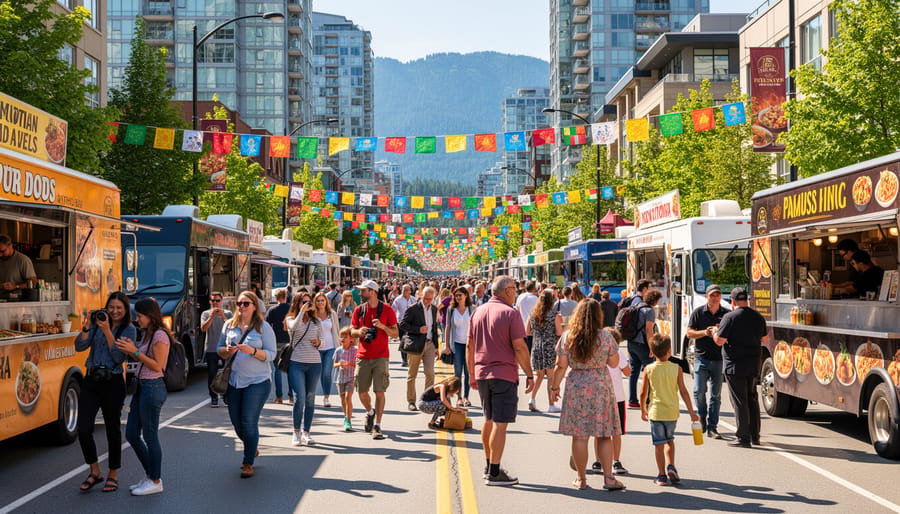
Vancouver’s food truck scene transforms during festival season, when dozens of mobile kitchens park near event venues offering everything from Korean-Mexican fusion to authentic Indian curries for $8-15 per meal. You’ll find permanent food truck lots at the Olympic Village on West 2nd Avenue and outside the Vancouver Art Gallery, but the real variety appears when festivals roll in, expect 20+ trucks at major events like the Celebration of Light or Commercial Drive’s Italian Day. Download the Street Food App to track truck locations in real-time, since many rotate between neighbourhoods daily. Hit trucks between traditional meal times (2-4 PM works well) to skip the longest queues while still catching lunch service.
18. Explore Night Markets for Authentic Asian Cuisine
Vancouver’s night markets transform eating into a festival experience from May through October. The Richmond Night Market, North America’s largest, sprawls across 100,000 square feet with over 200 food vendors serving everything from Taiwanese stinky tofu to Filipino halo-halo. Arrive after 7 PM on weekdays to avoid crushing crowds, but expect lines regardless at popular stalls. The smaller Shipyards Night Market in North Vancouver offers waterfront views alongside Korean corn dogs and Japanese takoyaki. Both markets charge modest admission ($3-5) but deliver authentic Asian street food at prices far below restaurant equivalents, making them essential stops for budget-conscious travelers seeking Vancouver’s genuine multicultural food scene.
19. Prioritize Farm-to-Table and Sustainable Dining
Vancouver’s restaurant scene leads North America in sustainability, with an exceptional concentration of establishments sourcing directly from Fraser Valley farms and local fisheries. Look for Ocean Wise certification on menus, this local program identifies sustainable seafood choices and appears across hundreds of city restaurants. Many chefs feature ingredients from within 100 miles, particularly at Granville Island Public Market establishments where farmers sell directly to both restaurants and visitors.
The city’s commitment extends beyond sourcing: compostable packaging, zero-waste kitchens, and plant-forward menus reflect Vancouver’s environmental values while delivering remarkable flavour. Downtown’s Chinatown and Main Street neighbourhoods concentrate farm-to-table options at various price points, making sustainable dining accessible rather than exclusive.
20. Reserve Ahead for Popular Restaurants During Peak Season
Vancouver’s restaurant scene gets slammed during major festivals and summer months. Book your table at least two weeks ahead for popular spots, longer if you’re targeting waterfront restaurants or award-winning dining rooms. OpenTable works for most mainstream places, but many top-rated restaurants use their own reservation systems or phone-only booking. If you miss out, hit up restaurants early (before 6 PM) or late (after 9 PM) when walk-in tables open up. Food-focused neighborhoods like Main Street and Commercial Drive often have less pressure than downtown hotspots, giving you excellent backup options without advance planning.
Making the Most of Vancouver’s Natural Beauty
21. Build in Time for Stanley Park and Seawall
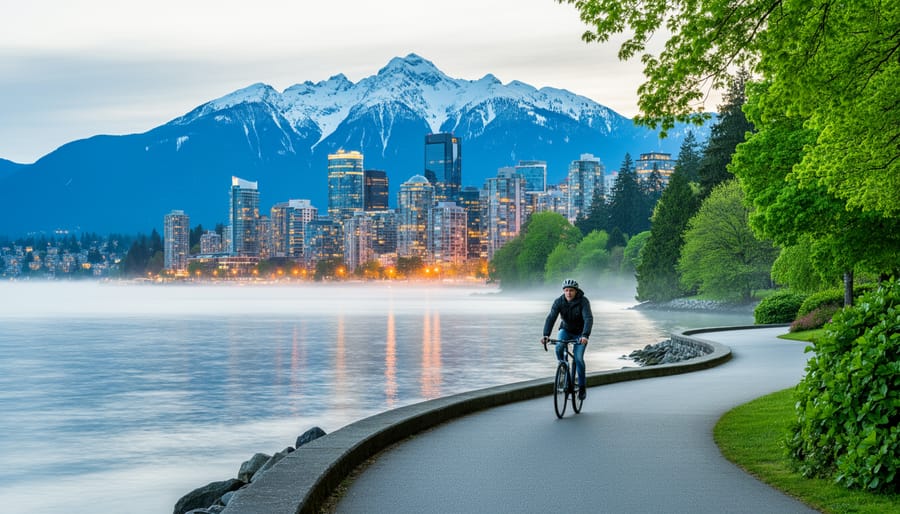
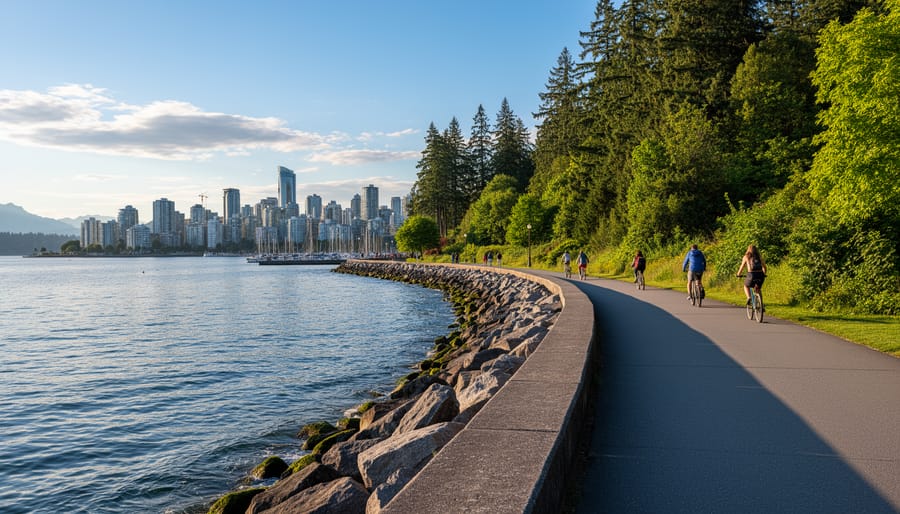
Stanley Park’s 400-hectare waterfront expanse provides the essential counterpoint to Vancouver’s festival intensity. When you’ve spent days in crowded event spaces, the 9-kilometre Seawall offers a car-free reset, whether you walk, run, or rent a bike from nearby shops. You’ll pass totem poles, beaches, and forest trails without leaving the city. The park stays open year-round and costs nothing to enter, making it Vancouver’s most accessible outdoor sanctuary. Budget two to three hours minimum, or plan a half-day combining the Seawall with interior forest trails and Lost Lagoon. Early mornings deliver the calmest experience before cruise ships dock and tour groups arrive.
22. Take Advantage of Free Beaches and Parks
Vancouver gives you beach and park access without spending a dollar. English Bay Beach sits steps from downtown, swim, paddleboard or watch sunset performers in summer. Kitsilano Beach draws locals with volleyball courts and mountain views. Jericho Beach offers calmer waters perfect for families. Head to Third Beach in Stanley Park for evening bonfires. Spanish Banks stretches for miles with tide pools at low tide. Queen Elizabeth Park delivers panoramic city vistas from its hilltop gardens. Pack a picnic, bring layers for temperature shifts, and enjoy these spaces between festival days when you need budget relief and natural beauty.
23. Plan a Day Trip to North Shore Mountains
The North Shore Mountains sit just fifteen minutes from downtown Vancouver via the SeaBus, offering instant wilderness access that feels impossible for a major city. Grouse Mountain provides year-round attractions including hiking trails, wildlife encounters, and panoramic views across the city and ocean, accessible by gondola if you’re not up for the challenging Grouse Grind trail. Capilano Suspension Bridge Park delivers the classic rainforest canopy experience, while the free Cleveland Dam and surrounding trails in Capilano River Regional Park offer similar forest immersion without admission fees. Lynn Canyon Park presents another budget alternative with its own suspension bridge, swimming holes, and extensive trail network through old-growth forest. Transportation is straightforward: take the SeaBus to North Vancouver, then connect via local buses to trailheads and attractions, many visitors underestimate how easy this journey is without a car.
24. Respect Nature and Practice Leave-No-Trace Principles
Vancouver’s natural spaces remain pristine because locals and visitors alike follow simple conservation practices. Pack out everything you bring in, yes, including organic waste like banana peels and apple cores, which don’t belong in West Coast ecosystems. Stick to marked trails even when mud forces detours; shortcutting damages fragile understory plants and accelerates erosion on steep terrain. Keep safe distances from urban wildlife you’ll encounter: seals on beaches, herons in parks, and coyotes near forest edges. Use reef-safe sunscreen before ocean swims to protect marine life. When you’re beachcombing or tidepool exploring, leave rocks, shells, and creatures exactly where you found them, these coastal ecosystems depend on stability. Choose refillable water bottles over single-use plastics, and carry a small bag for any litter you spot along trails or shorelines.
Practical Tips for a Smooth Vancouver Visit
25. Stay Connected and Manage Money Wisely
Vancouver runs on contactless payments and digital convenience, which makes managing money straightforward once you understand the basics. Most businesses accept tap-to-pay credit cards, mobile wallets like Apple Pay and Google Pay, and chip cards, though carrying some Canadian cash proves useful for food trucks, farmers’ markets, and smaller vendors at cultural festivals.
Major banks and currency exchange services operate throughout the city, but airport exchange rates typically offer poor value. ATMs are widespread and usually charge reasonable fees for international cards. Credit cards with no foreign transaction fees save you roughly three percent on every purchase compared to cards that add conversion charges.
Vancouver’s tipping culture follows North American standards: fifteen to twenty percent for restaurant table service, one to two dollars per drink at bars, and ten to fifteen percent for taxis and ride-shares. Many card terminals now prompt you for tip percentages, making the process seamless.
For phone connectivity, you can purchase prepaid SIM cards at the airport, convenience stores like 7-Eleven, or carrier stores for Rogers, Telus, and Fido. Prices start around thirty dollars for multi-gigabyte plans valid for several weeks. Free WiFi blankets most cafes, libraries, transit stations, and public spaces, though a local SIM offers better reliability when navigating between festival venues across the city.
Your Vancouver Adventure Awaits
Vancouver delivers everything you came for: a vibrant festival calendar that celebrates cultures from around the world, spectacular natural scenery minutes from downtown, and a commitment to sustainable tourism that makes you feel good about every choice. You’ve got the practical foundation, transit cards, rain gear, and neighborhood knowledge, to navigate confidently. You’ve mapped the multicultural districts where everyday life feels like a celebration between major events.
The real magic happens when you balance structure with spontaneity. Hit the festivals you planned for, absolutely, but leave room for the food truck that smells incredible, the street performer drawing a crowd, or the hidden beach locals mention casually. Vancouver rewards curiosity and punishes rigid itineraries. The city’s compact layout and excellent transit make last-minute detours easy, and its multicultural fabric means you’ll stumble across authentic experiences you never knew to research.
What’s the best time to visit Vancouver for festivals?
Late spring through early fall offers the densest festival calendar and most reliable weather, though Vancouver hosts cultural celebrations year-round including winter events.
Do I need to speak languages other than English in Vancouver?
English works everywhere for practical needs, though you’ll hear dozens of languages across neighborhoods, part of the authentic multicultural experience.
Is Vancouver suitable for families with children?
Extremely family-friendly, with many festivals offering dedicated kids’ programming, plus beaches, parks, and attractions designed for all ages.
How many days should I spend in Vancouver?
Five to seven days lets you experience major festivals, explore diverse neighborhoods, and balance urban culture with outdoor activities without rushing.
Are festival tickets expensive in Vancouver?
Many major festivals are free or donation-based, while ticketed events typically range from affordable community prices to premium experiences, budget varies widely by event type.
Pack those layers, download your transit app, and bring genuine curiosity about cultures different from your own. Vancouver’s waiting to surprise you with how seamlessly celebration, nature, and community blend into a single unforgettable destination. The festivals give you the framework, but the city itself, walkable, welcoming, and wonderfully unpredictable, delivers the experience you’ll actually remember.