Three days is enough to see the best of Vancouver, and the smartest way to do it is by neighbourhood: start downtown and in Stanley Park, spend day two in Granville Island, Chinatown and Gastown, then finish with the North Shore’s mountains and mountain-view trails. Each day below groups eight stops by geography, so you spend your time exploring instead of crossing the city on a bus.
Vancouver packs a lot into a compact footprint. Ocean, rainforest and snow-capped peaks sit within a short transit ride of a walkable downtown, and the food reflects the people who live here. Think dim sum in Chinatown, ramen on Robson, Indigenous art along the seawall and Punjabi sweets in the Punjabi Market. It’s a city where cultures share the same sidewalks, and that mix is what makes even an ordinary Tuesday feel festive.
This plan works for first-time visitors and international travellers who’d rather follow a clear route than spend hours researching. You’ll find a numbered list of picks, a quick table, practical notes on getting around and a few local tips that keep your trip lighter on the planet, like taking the SeaBus instead of a taxi or refilling your bottle at public fountains.
Pack a rain jacket, comfortable shoes and an appetite. Let’s start with day one.
Why Spend 3 Days in Vancouver? A Festival City by the Sea
Vancouver is one of those rare cities where snow-capped mountains, a sparkling harbour, and a dense rainforest all sit within sight of downtown. That setting makes it a natural stage for celebration. The waterfront, parks, and neighbourhood streets host many of the major festivals that give the city its lively, outdoorsy personality.
The city also rewards slow, curious exploring. Its neighbourhoods are compact and walkable, and each has its own flavour, from heritage cobblestones to mural-covered avenues. Add a multicultural food and arts scene, with dim sum, Indigenous art, Italian cafés, and global street eats within a few transit stops of each other, and you have a place that feels like a festival even on an ordinary weekday.
Three days is the sweet spot. It’s long enough to see the big icons without rushing, and short enough to keep the plan focused. The itinerary below groups stops by area so you spend less time in transit and more time soaking things in.
How we chose these stops: we looked for variety, walkability, and cultural richness, and we favoured places you can reach by foot, bike, SeaBus, or transit to keep your travel footprint light.
Your 3-Day Vancouver Itinerary: Top Areas and Picks, Day by Day
1. Stanley Park and the Seawall (Day 1)
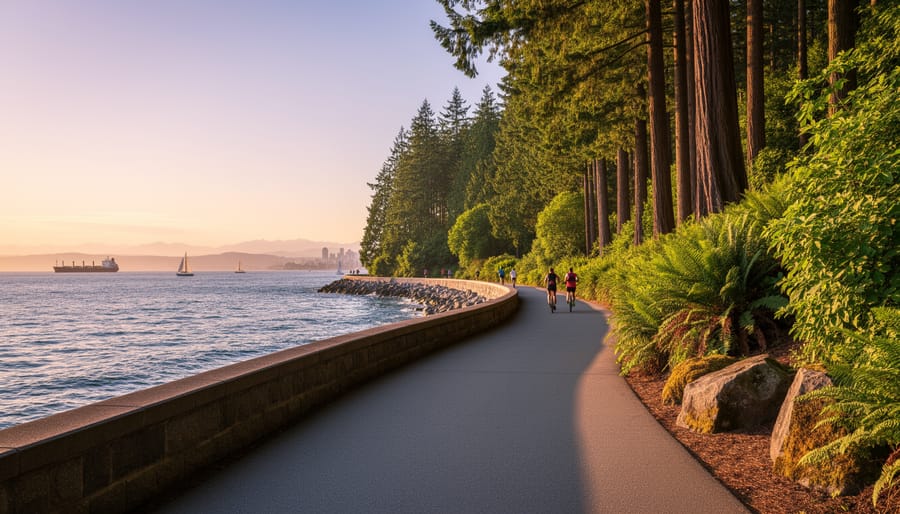
Kick off Day 1 in Stanley Park, Vancouver’s green heart, where forest, ocean, and mountain views meet within minutes of downtown. The best way in is under your own power. Walk or rent a bike (cycling runs one direction around the seawall, so follow the signs) and let the 9-kilometre path set a relaxed pace. It’s a low-impact way to take in the scenery, and you’ll skip the traffic entirely.
Here’s what fits neatly into a half day:
- Seawall loop, with the Vancouver skyline, harbour, and North Shore peaks around every bend
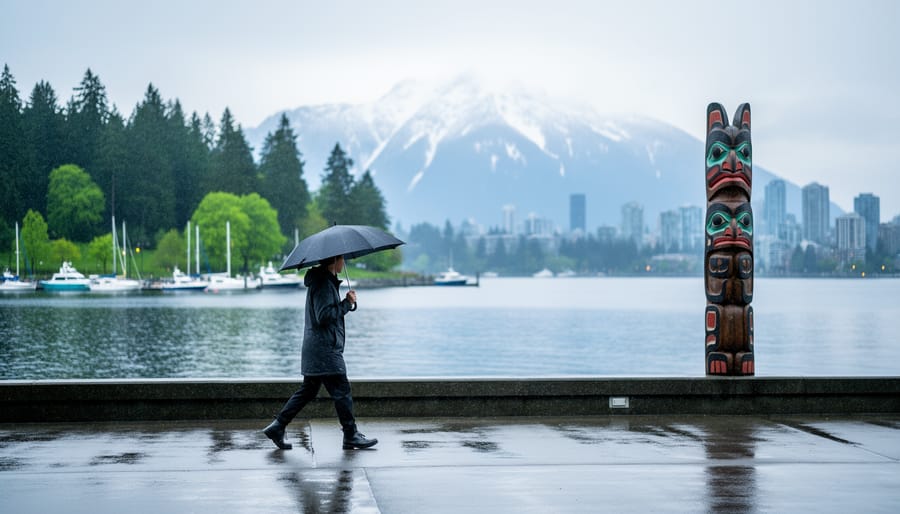
- Brockton Point, home to a collection of totem poles
- Third Beach, a calm spot for a sand-between-your-toes break
- Prospect Point lookout, with sweeping views of the Lions Gate Bridge
Take a few quiet minutes at Brockton Point. The totem poles are the work of Indigenous artists, and the park itself sits on the traditional territories of the Musqueam, Squamish, and Tsleil-Waututh Nations. Read the signage, keep your voice low, and photograph with care. Pack a reusable water bottle, and linger long enough to feel the city’s rhythm before heading on.
2. Coal Harbour and Canada Place (Day 1)
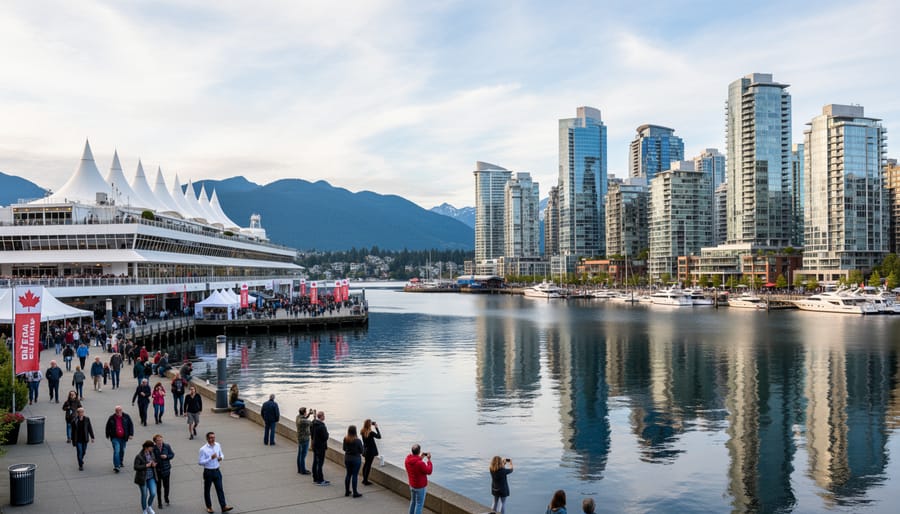
Picture this: you’re standing on the waterfront with the white sails of Canada Place rising beside you, floatplanes lifting off the harbour, and the North Shore mountains framing the whole scene. It’s one of Vancouver’s most photographed spots, and it’s gloriously flat and easy to stroll. Follow the Coal Harbour seawall at a relaxed pace and the downtown skyline mirrors itself in the water.
This stretch is also a natural gathering place. The waterfront often hosts big public celebrations, so it’s worth checking the city’s events calendar before you go. Even on a quiet day, the harbour views alone make it a rewarding stop.
Here’s how Days 1 to 3 fit together at a glance:
| Day | Morning | Afternoon | Evening | Getting Around |
|---|---|---|---|---|
| Day 1 | Stanley Park seawall | Coal Harbour and Canada Place | Gastown dinner | Walk, bike share |
| Day 2 | Granville Island market | Kitsilano Beach and Vanier Park | Main Street cafés and breweries | Aquabus, bus |
| Day 3 | Chinatown and the classical garden | North Shore canyon trails | Relaxed farewell dinner | SkyTrain, SeaBus, bus |
Wander slowly, bring a camera, and let the sea air set the mood for the evening ahead.
3. Gastown: Steam Clock, Cobblestones, and Evening Energy (Day 1)
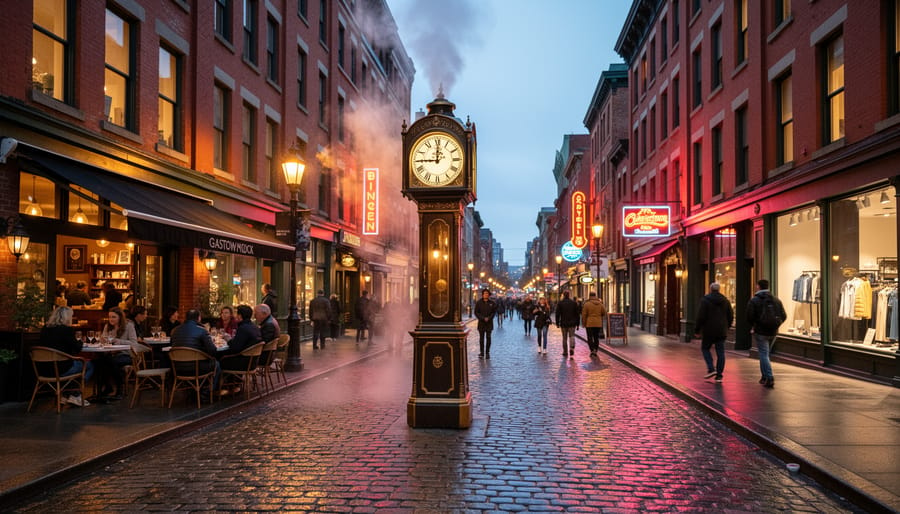
By the time evening settles in, Gastown is the right place to land. This is Vancouver’s oldest neighbourhood, and its cobblestone streets and brick warehouses glow once the lamps come on. Head to the corner of Water and Cambie to catch the Steam Clock puffing out a cloud of steam on the quarter hour. It looks antique, but it’s actually a clever 1977 piece powered by underground steam.
From there, wander at your own pace. Independent boutiques sell everything from Indigenous-designed jewellery to small-batch leather goods, so it’s an easy place to support local makers instead of chain stores. Duck into a design shop, then settle on a patio as the street fills with chatter and clinking glasses.
Dinner here ranges from Pacific Northwest seafood to inventive plates inspired by cuisines from around the world. Linger over a second round of drinks, or follow the music to a cocktail bar. It’s a relaxed, walkable finish to Day 1, and you can head back by foot or transit.
4. Granville Island Public Market and Arts District (Day 2)
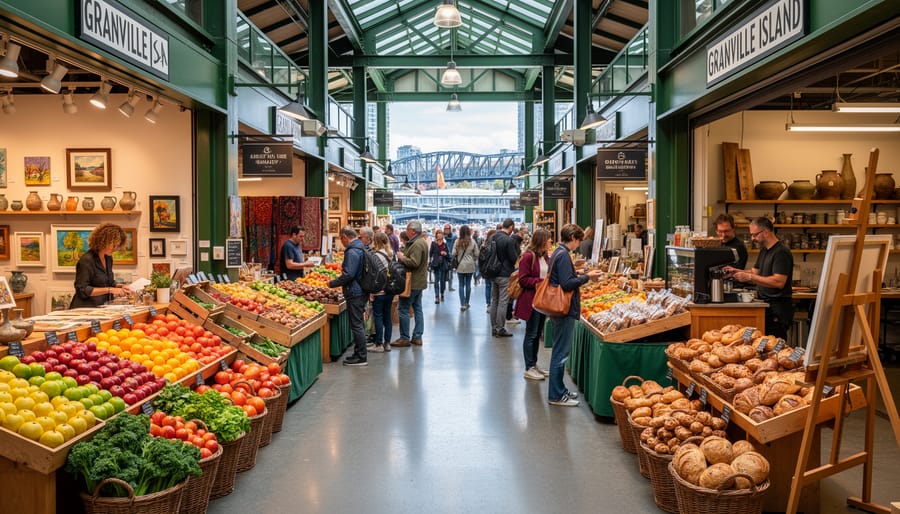
Kick off Day 2 with a short, scenic hop across False Creek. The little Aquabus and False Creek Ferries boats are part of the fun, and choosing them over a car keeps your day low-impact while delivering views of the downtown skyline from the water.
Once you step onto Granville Island, head straight for the Public Market. Wander the stalls with an empty stomach and graze your way through fresh bread, local cheeses, smoked salmon, seasonal berries, and pastries still warm from the oven. Buying directly from small vendors and farmers means your lunch money stays in the local community, and you’ll find flavours from across Vancouver’s multicultural food scene under one roof.
After you’ve eaten, slow down and explore the island’s artisan studios. Glassblowers, potters, jewellers, and printmakers often work in view of visitors, so you can watch a piece take shape before taking a handmade souvenir home. Along the waterfront and plazas, buskers add a lively soundtrack that gives the island its cheerful, festival-like buzz.
Arrive early to beat the crowds and find the best picks.
5. Kitsilano Beach and the Museum of Vancouver Area (Day 2)
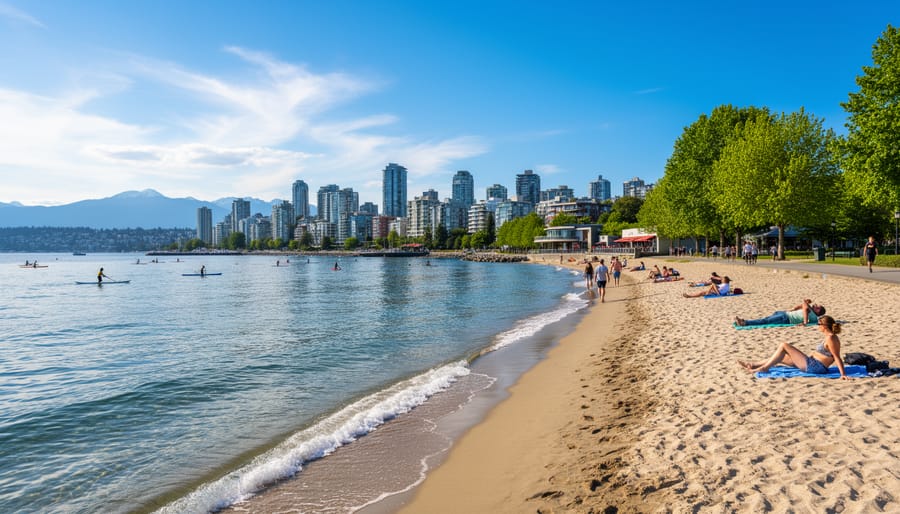
Kitsilano Beach, locals call it Kits, is where Vancouver’s sunny-day spirit really shows up. Spread out on the sand, watch beach volleyball games unfold, or swim in the heated outdoor pool just off the shore. Come early afternoon, grab a spot on the grass, and settle in for golden-hour views of the downtown skyline and the North Shore mountains. It’s the kind of open, easygoing gathering space where community events and summer meetups often happen.
From Kits, wander along the shoreline toward Vanier Park, a short, scenic walk of about 20 minutes. This wide-open green space is home to the Museum of Vancouver, the H.R. MacMillan Space Centre, and the Vancouver Maritime Museum, giving you plenty of cultural stops to choose from. Pack a picnic, bring a reusable bottle, and let the afternoon stretch out naturally.
6. Main Street and Mount Pleasant: Murals, Cafés, and Craft Culture (Day 2)
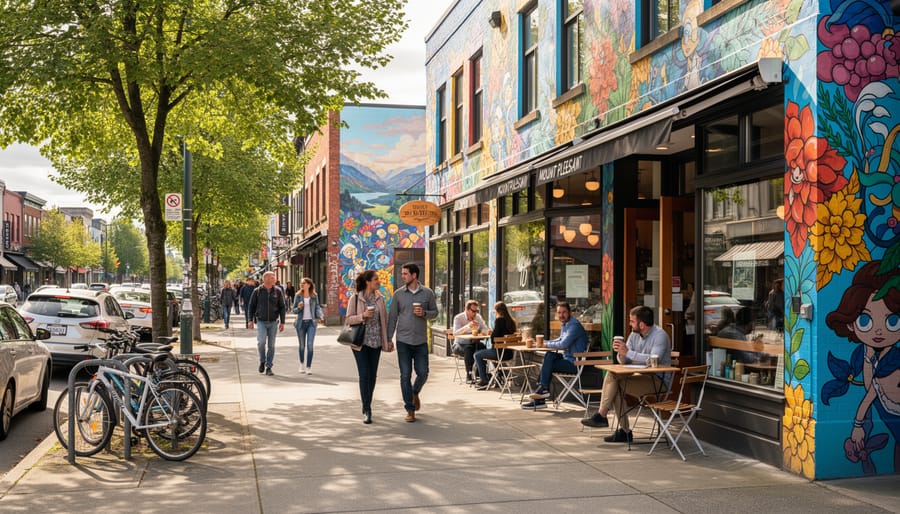
Wrap up Day 2 where Vancouverites actually hang out. Main Street through Mount Pleasant is the city’s creative, laid-back heartbeat, and it’s an easy ride from Granville Island by bus or bike. Wander the side streets and alleys to spot colourful murals, especially during the Mural Festival season, when the neighbourhood turns into an open-air gallery.
Then settle into a café for a flat white from one of the independent roasters, browse vintage shops and design boutiques, and pop into a craft brewery for a flight of local pours. The Brewery Creek district is a short stroll away and makes a natural evening stop.
Keep it low-impact by walking the strip, carrying a reusable cup, and choosing small, locally owned spots. You’ll find a mix of cultures on one stretch, from ramen counters to Latin American bakeries, so come hungry and graze your way to dinner.
7. Chinatown and the Dr. Sun Yat-Sen Classical Chinese Garden (Day 3)
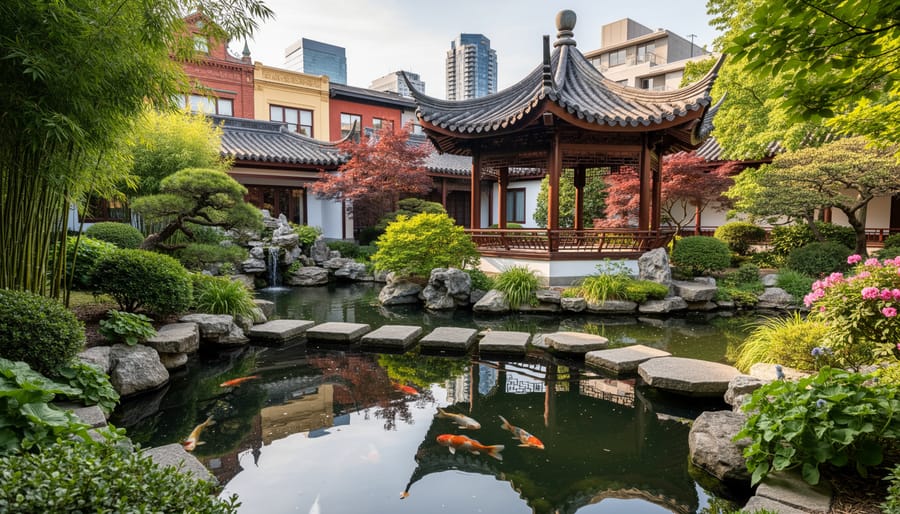
Day 3 begins in Chinatown, one of the oldest and largest historic Chinatowns in North America. Its story is woven through generations of Chinese Canadian families who built businesses, associations, and community here, often against real hardship. Wander past neon signs, herbal shops, and bakeries where the egg tarts vanish by mid-morning. Early evening brings the glow of lanterns along the streets, a lovely sight if you linger.
The centrepiece is the Dr. Sun Yat-Sen Classical Chinese Garden, a quiet courtyard of pavilions, koi ponds, carved wood, and winding covered walkways. It was built using traditional Ming Dynasty techniques, and everything, from the rocks to the pond water, is arranged to balance contrast and harmony. Sit for a moment and listen to the water. It is a restful pause in the middle of the city.
Visit with care. Spend money at family-run shops and restaurants, ask before photographing people or their stalls, and keep your pace unhurried. These are living neighbourhood businesses, not a backdrop.
8. Capilano or Lynn Canyon on the North Shore (Day 3)
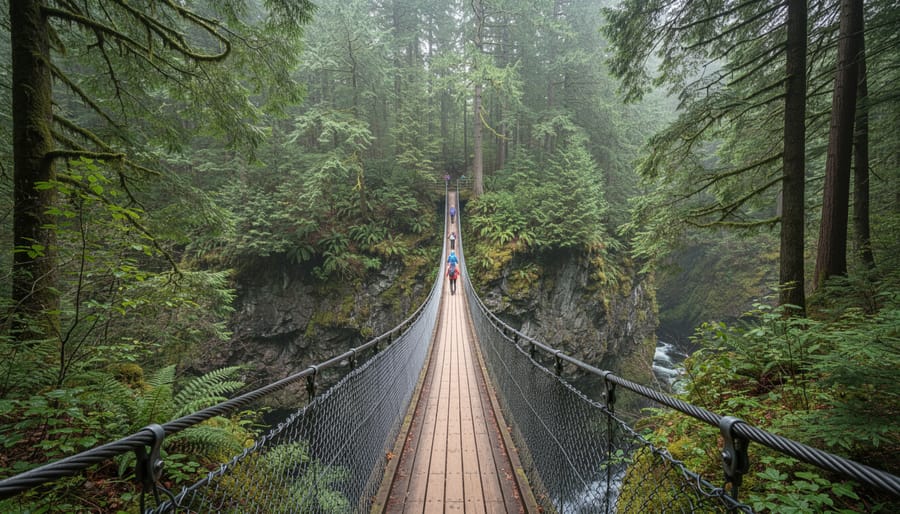
Day 3 ends where Vancouver’s rainforest begins. Hop on the SeaBus across Burrard Inlet to Lonsdale Quay, then catch a local bus up into the North Shore’s towering cedars and Douglas firs. The ride itself is a small adventure, with harbour views the whole way.
You’ve got two classic choices. Capilano Suspension Bridge Park offers its famous swaying bridge, treetop walkways, and a cliffside path, all with a ticket. Lynn Canyon Park gives you a similar thrill with a quieter feel, and Lynn Canyon is free to enter, though it’s smart to check current pricing before you go. Its suspension bridge hangs high above the creek, and nearby trails lead to swimming holes and waterfalls.
Whichever you pick, tread lightly. Stay on marked trails, carry out everything you bring in, and leave plants and wildlife undisturbed. These forests sit on Coast Salish territory, so move through them with respect and a sense of wonder.
Getting Around and Planning Your Trip: Practical Information for Vancouver
Vancouver is easy to navigate without a car, which fits the sustainable travel spirit of the city. From YVR, the Canada Line SkyTrain runs straight to downtown in roughly 25 minutes, so you can skip the taxi and be at your hotel quickly. Around town, SkyTrain, buses, and the SeaBus (the harbour ferry to the North Shore) all run on the same Compass fare system, and tap-to-pay options are usually available. Check TransLink’s official site for current fares and schedules before you go.
For short hops, walking is often the best option, especially along the Seawall and through downtown, Gastown, and Chinatown. Bike share and rental shops make cycling around Stanley Park and False Creek simple. The Aquabus and False Creek Ferries add a fun, low-impact way to reach Granville Island.
Timing matters. Summer brings long days, beach weather, and the biggest festival crowds, while spring and early fall offer milder weather and calmer streets. During major festival periods, hotels fill up and prices climb, so book early and check the city’s events calendar when choosing your dates. If you only have a shorter window, this plan pairs well with our 2-day Vancouver guide as a starting point.
Where to stay depends on your style. Downtown and Coal Harbour put you near the waterfront and transit, Gastown and Yaletown suit foodies and nightlife fans, and Kitsilano or Mount Pleasant feel more local and relaxed. Costs vary widely by season, so compare options and confirm current rates directly with providers.
Is 3 days enough for Vancouver?
Yes, three days lets you cover the major neighbourhoods, a market, and one nature outing without rushing. You’ll leave with a strong feel for the city.
Do I need a car?
Not really. Transit, walking, bike share, and ferries cover nearly every stop in this itinerary, and parking downtown can be pricey.
What’s the best time of year to visit?
Summer is lively and sunny but busy, while late spring and early fall balance good weather with smaller crowds. Pack layers and a rain jacket in any season.
How do I plan around festivals and big events?
Check the official events calendar before booking, reserve accommodation early, and expect busier transit and waterfront areas on event days.
Local Tips for Visiting Vancouver Like a Festival Insider
Vancouver rewards visitors who plan a little and stay flexible. Pack layers and a light rain jacket, because the weather can shift from sunny to drizzly in an afternoon, and the mountains love to make their own forecasts. If you’re after more first-timer tips that guide covers the basics worth knowing before you land.
Book popular attractions, like the North Shore suspension bridges, ahead of time so you’re not stuck in a line. Before you lock in your dates, check the city’s events calendar. A festival weekend can add wonderful energy to your trip, though it can also mean bigger crowds and busier hotels.
Head to markets early. Granville Island is calmest in the morning, and the freshest bakes disappear fast. Choose transit and your own two feet over a rental car; downtown is compact, and the SkyTrain, buses and SeaBus reach almost everything on this itinerary.
Bring a reusable bottle and bag, and refill as you go. Vancouver’s multicultural food hubs deserve your appetite too. Graze on dim sum in Chinatown, Japanese bakeries, and Punjabi sweets, and if you love eating your way through a city, check out gastronomic festivals too. Finally, remember you’re visiting the unceded territories of the Musqueam, Squamish and Tsleil-Waututh Nations, so be respectful and curious about the stories behind every place.
By the time you wave goodbye to the mountains, you’ll have walked the seawall, grazed through Granville Island, wandered Chinatown’s lantern-lit streets, and stood among the cedars of the North Shore. That’s the beauty of Vancouver: in just three days, ocean, forest, and neighbourhood life blend into one unforgettable story.
It’s also a city that loves to gather. Festivals, markets, and community celebrations fill the calendar throughout the year, each one a window into the cultures that make this place home. Before you lock in your dates, take a peek at the local events calendar. You might line up your trip with something special.
Choose transit, lace up your walking shoes, and tread lightly. Then come hungry, curious, and ready to join the party. Vancouver is waiting with open arms.